
In my opinion, there is a limit to the amount of ambiguity that a story can sustain. If you cross the limit, it goes from being interesting and mind-bendy to just making the reader feel a bit slow.
Books & Stuff
In my opinion, there is a limit to the amount of ambiguity that a story can sustain. If you cross the limit, it goes from being interesting and mind-bendy to just making the reader feel a bit slow.

After reading Tony Tulathimutte’s short story collection Rejection I knew that I had found a new favorite contemporary author. And picking up his novel, Private Citizens, next, did not disappoint.

As an animal rights activist who is also a biology student, little has weighed on me more heavily in my day-to-day life than the ubiquity of biomedical animal testing.
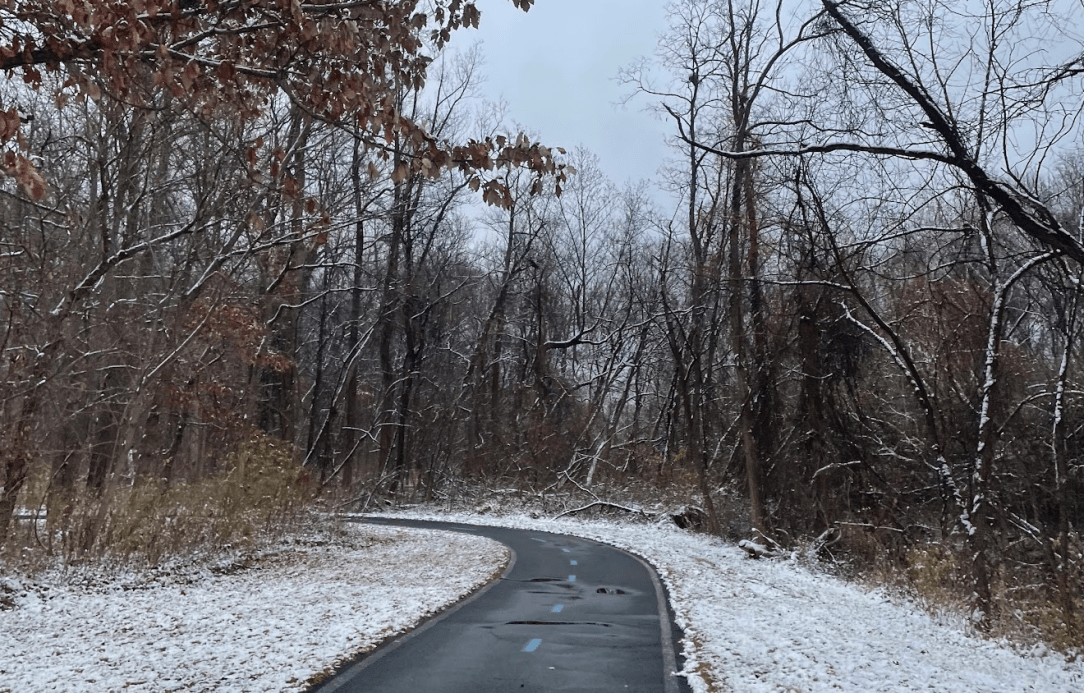
The first half of December was dominated by finals, but, as I realized, it’s the last December of my life (most likely) that I will be in that situation.
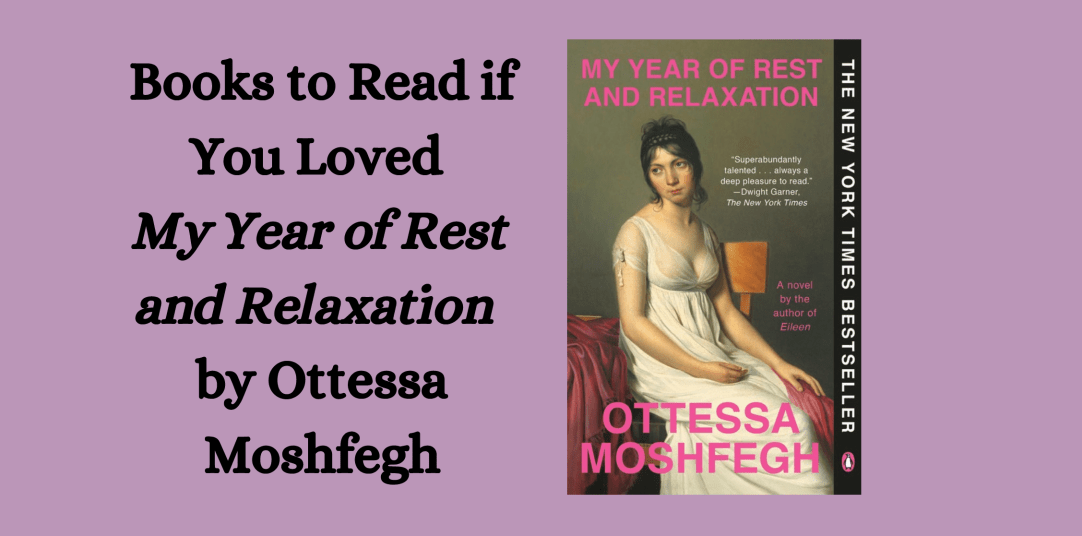
It’s been a while since I’ve written a book recommendation list post, but recently, as I found myself perusing the Internet for suggestions on media to replace the void left by the show I had recently finished watching (rather than going straight to watching it again, as I was fairly tempted to do) I was reminded of how useful, and fun to write, these types of posts are.

Wouldn’t we be better off without all this gosh darn technology?
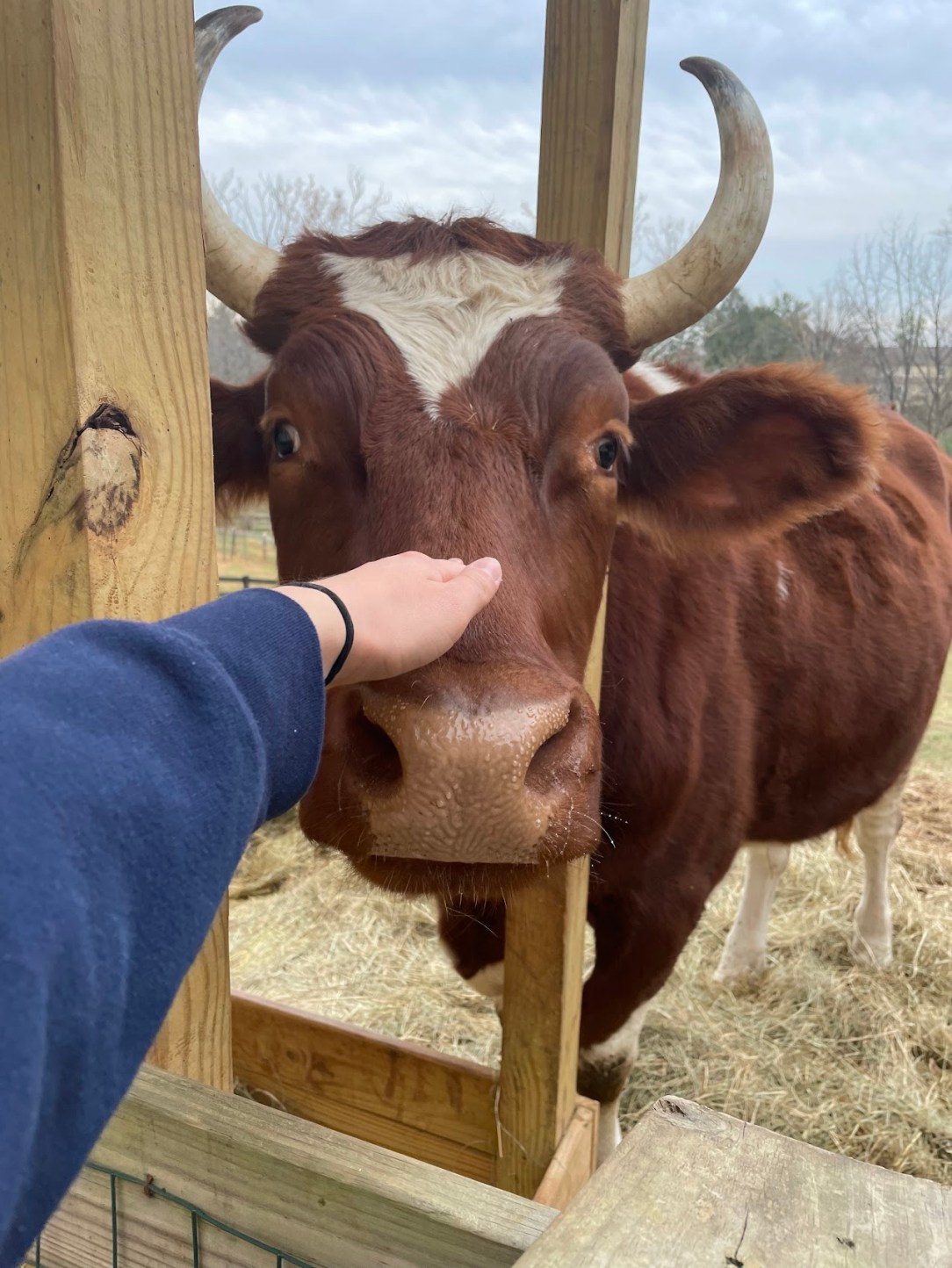
I haven’t done one of these in years.

“If I smoked cigarettes, I would sit at a train station with this book and light up.” – Me when I was 19 and thought smoking looked super cool, maybe in part due to this book’s iconic cover, but that’s a conversation for another day.

It turns out there’s a drawback to having what is functionally an online journal for six years, even if you mostly just write about books.

“Little Red Barns is a groundbreaking investigation of factory farms and the unprecedented measures being taken to hide their impact — on animals, public health, and the environment — from the public.”

Ah, existentialism. The word conjures images of French cafes, cigarettes and black and white photos, but what is it really?

Jeffrey Eugenides’s The Virgin Suicides is at once a lyrical portrait of 90s suburbia and a biting critique of how teenage girls are perceived by society.
In the TV show True Detective , the character Rust Cohle says, “I think human consciousness is a tragic misstep in evolution. We became too self aware, nature created an aspect of nature separate from itself. We are creatures that should not exist by natural law…We are things that labor under the illusion of having a self, a secretion of sensory, experience, and feeling, programmed with total assurance that we are each somebody, when in fact everybody is nobody.”

I first discovered Albert Camus’s philosophy when I was 17, pretty depressed and desperate for something to replace the “hope” that hitherto had been provided by religious faith.

Over the last few years, I have been reading widely about the topic of animal rights to improve my own activism and argumentation. Having a strong philosophical basis for veganism is essential, and frankly, I believe the arguments laid out in these books are pretty irrefutable by the honest person.

Animal Liberation Now is a powerful update to the 1975 animal rights classic Animal Liberation.

I am a big fan of r/nosleep, a forum for users to post short horror fiction. The gimmick of the subreddit is that the stories are often framed as Redditors’ real personal experiences, to enhance the immersion factor of browsing the stories.

Play It As It Lays is one of those books I’ve always seen on recommendation lists with titles like “POV: you’re hot and sad.” So, of course, I decided to give it a read.

Nowadays, I don’t often read Young Adult fiction, but I was immensely excited to dive into this book for some fun and nostalgia. Five Survive was entertaining and fast-paced, but the plot left much to be desired. Let’s talk about it.

Franz Kafka’s “In the Penal Colony” is a surreal and disturbing short story set in an unnamed penal colony. The narrative explores questions of punishment and societal justification, revolving around an elaborate torture/execution device that etches the condemned’s sentence into their skin over twelve hours. The reviewer appreciates Kafka’s ability to create a unique Kafkaesque atmosphere. The book receives 4/5 stars.
 Frappes and Fiction