



I long to write essays like Joan Didion
Books & Stuff
I long to write essays like Joan Didion

Why do I have such an obsession with weird disturbing books by female authors?

Jeffrey Eugenides’s The Virgin Suicides is at once a lyrical portrait of 90s suburbia and a biting critique of how teenage girls are perceived by society.

A deeply unsettling horror film with more layers than meets the eye.
In the TV show True Detective , the character Rust Cohle says, “I think human consciousness is a tragic misstep in evolution. We became too self aware, nature created an aspect of nature separate from itself. We are creatures that should not exist by natural law…We are things that labor under the illusion of having a self, a secretion of sensory, experience, and feeling, programmed with total assurance that we are each somebody, when in fact everybody is nobody.”

I first discovered Albert Camus’s philosophy when I was 17, pretty depressed and desperate for something to replace the “hope” that hitherto had been provided by religious faith.

Over the last few years, I have been reading widely about the topic of animal rights to improve my own activism and argumentation. Having a strong philosophical basis for veganism is essential, and frankly, I believe the arguments laid out in these books are pretty irrefutable by the honest person.

Animal Liberation Now is a powerful update to the 1975 animal rights classic Animal Liberation.

I am a big fan of r/nosleep, a forum for users to post short horror fiction. The gimmick of the subreddit is that the stories are often framed as Redditors’ real personal experiences, to enhance the immersion factor of browsing the stories.
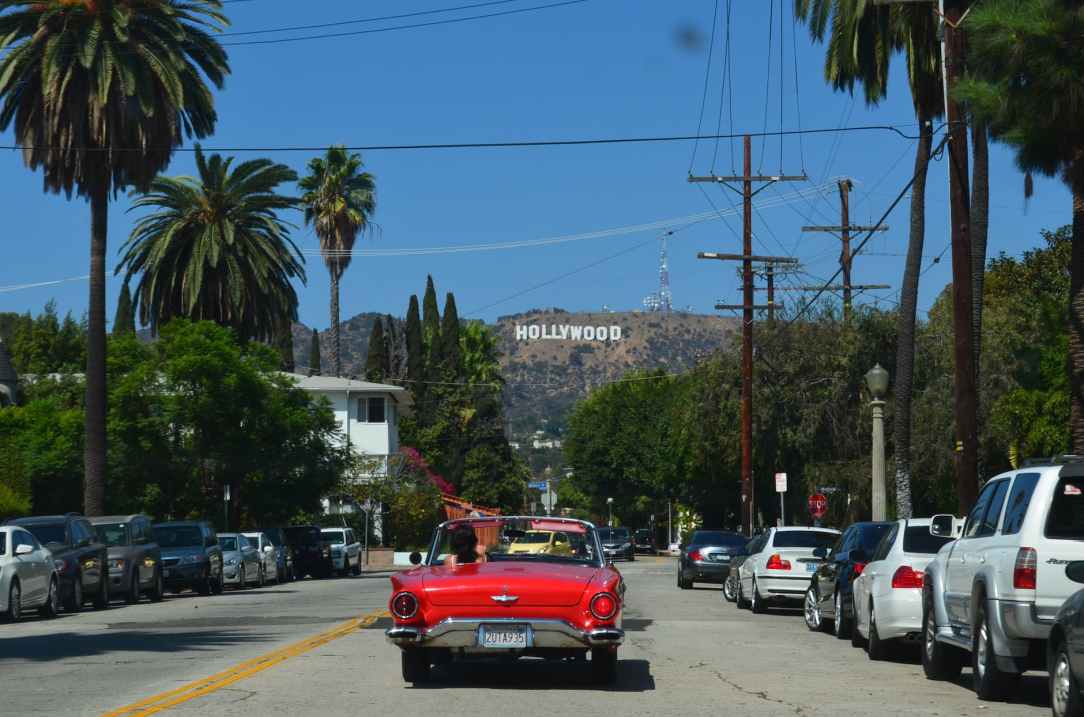
Play It As It Lays is one of those books I’ve always seen on recommendation lists with titles like “POV: you’re hot and sad.” So, of course, I decided to give it a read.
Nowadays, I don’t often read Young Adult fiction, but I was immensely excited to dive into this book for some fun and nostalgia. Five Survive was entertaining and fast-paced, but the plot left much to be desired. Let’s talk about it.
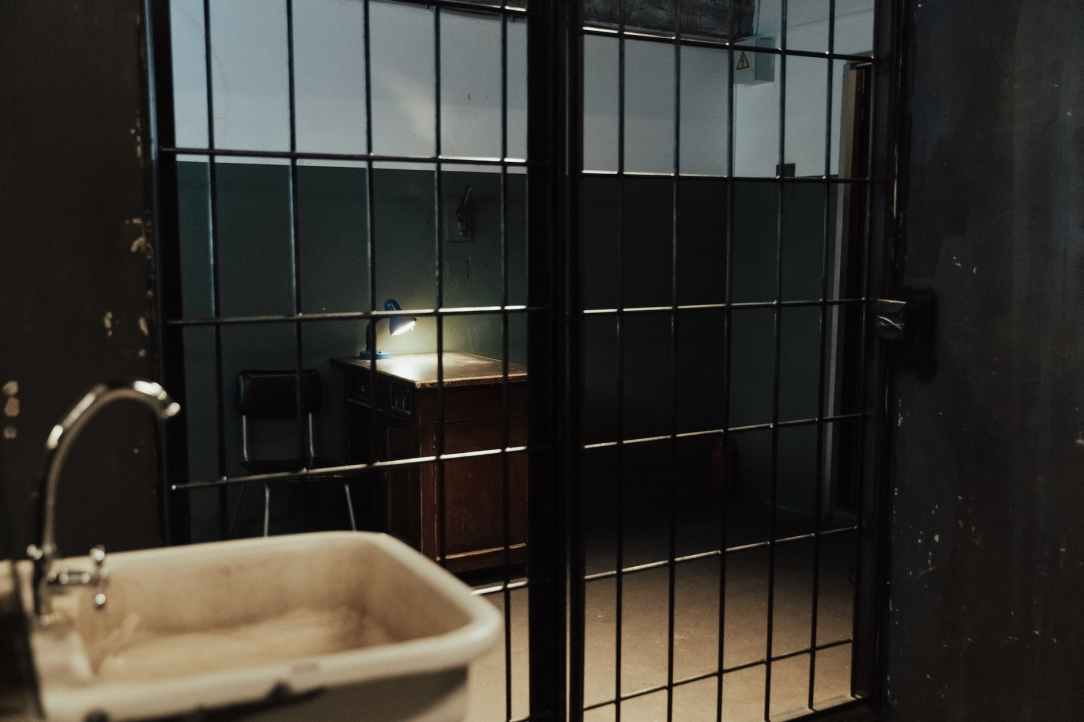
Franz Kafka’s “In the Penal Colony” is a surreal and disturbing short story set in an unnamed penal colony. The narrative explores questions of punishment and societal justification, revolving around an elaborate torture/execution device that etches the condemned’s sentence into their skin over twelve hours. The reviewer appreciates Kafka’s ability to create a unique Kafkaesque atmosphere. The book receives 4/5 stars.
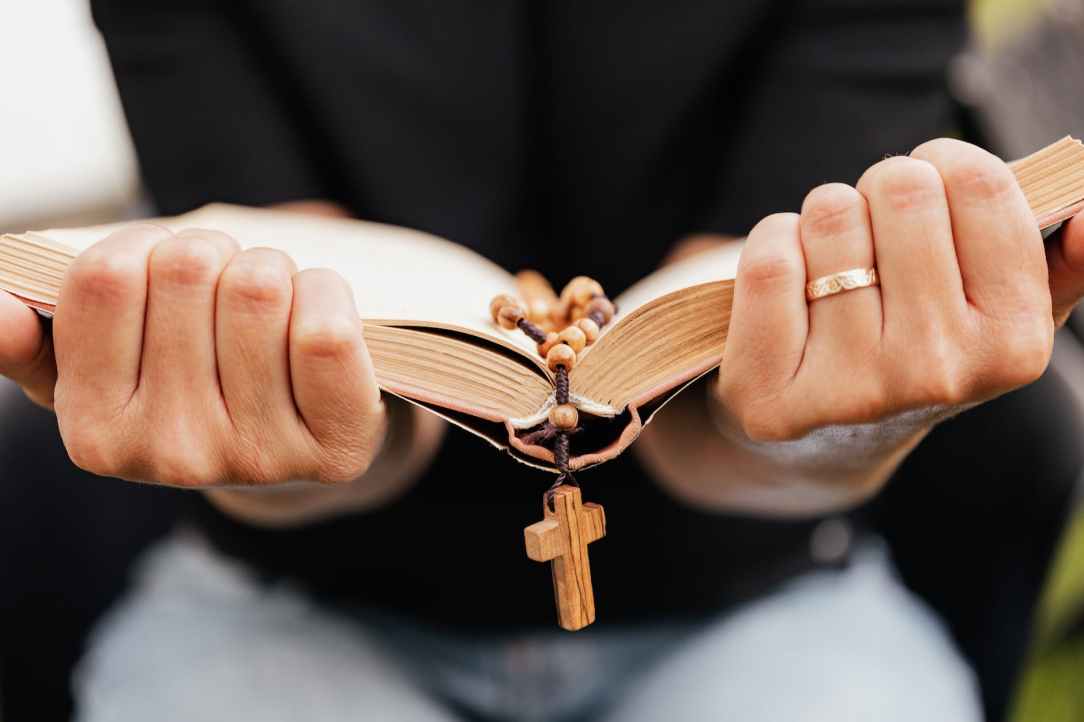
C.S. Lewis, in my experience, is the darling of those Christian missionaries who hand out religious books to random people on my college campus, and Mere Christianity is perhaps his most well-known and well-lauded book.

The Brothers Karamazov is many things; a romantic drama, a portrait of an important cultural period, and even a murder mystery. But to me, it is first and foremost an exploration of the problem of evil and the paradox of meaning and hope in a world full of suffering.

The Girls was an interesting read. I wasn’t sure what to expect going into it; I knew that it was loosely based on the Manson cult and I was interested in it because the psychology of cults really intrigues me, and I also really enjoy reading about the hippie era.

I have always found it interesting that people are so drawn to macabre stories of human evil– why do we like shows like Law and Order or binge true crime podcasts?

The more C.S. Lewis I read, the more baffled I am that he is regarded as one of the best Christian apologists. Honestly, the best part of this book was that it was short, and the audiobook was read by one of those audiobook narrators with the smooth British voices.
This is probably my favorite of Ottessa Moshfegh’s novels– at least out of the ones I’ve read thus far.
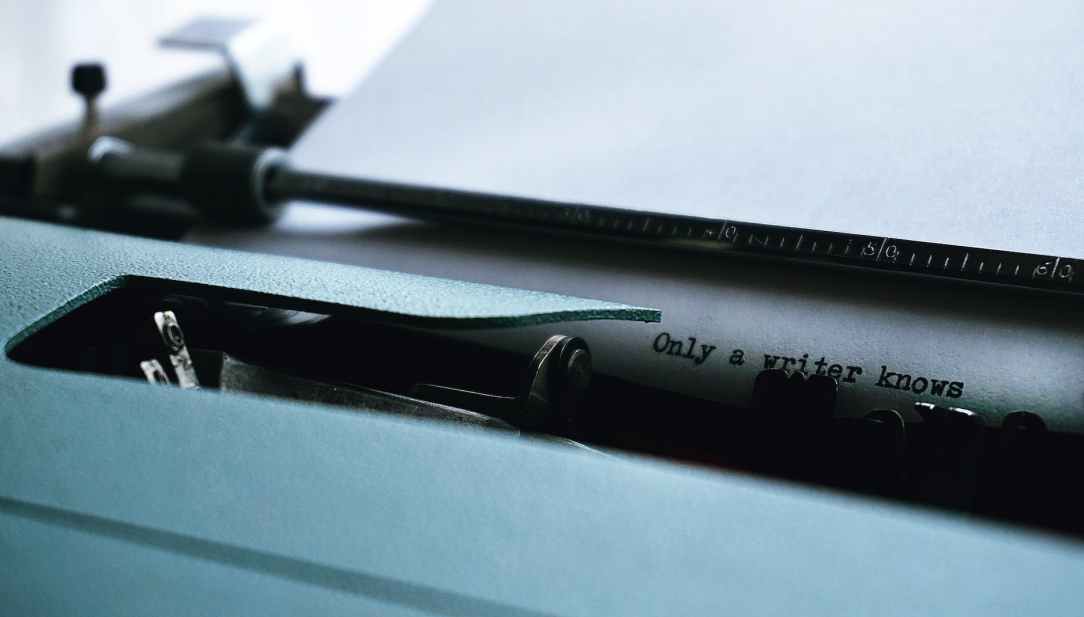
Sometimes, in my more narcissistic moments, I wonder what it would be like to become a famous writer as has always kind of been my dream, and to write a collection of essays all about my thoughts on life. But I don’t think I could do it better than Vonnegut.

This is the first Murakami book I have actually managed to read all the way through, and I think I finally understand somewhat why he is so well-regarded.
 Frappes and Fiction