
 By
By Ah, existentialism. The word conjures images of French cafes, cigarettes and black and white photos, but what is it really?
The summer before my freshman year of college, after a year-long existential crisis, I became interested in existentialist philosophy. (My favorite philosopher at the time was, and stills is, Albert Camus, and purists will say he is not an Existentialist, but I’m lumping him in with this post nevertheless as I believe Absurdism and Existentialism are similar enough– both are comforting-ish philosophies which nihilists would label a meaningless cope, but nevertheless I love)
Existentialism means different things to different people, but the crux of it is centered around how to find meaning in a “meaningless” world by creating your own meaning. Like many others, I was attracted to this idea after losing my faith in religion, which was previously the prism which I viewed Life, the Universe and Everything.
That was two years ago, and I’m happy to say that though my existential woes have dampened into the background, I am still excited to recommend the existentialist books that provided me with comfort (and intellectual stimulation!) during that time.
So I’ve compiled this list of books which deal in whole or in part with existentialist ideas. This is by no means an exhaustive list, but I hope that at least one of the books on this list will speak to you, dear reader of this post.
Without further ado, here are my recommendations for existentialist book recommendations everyone should read.
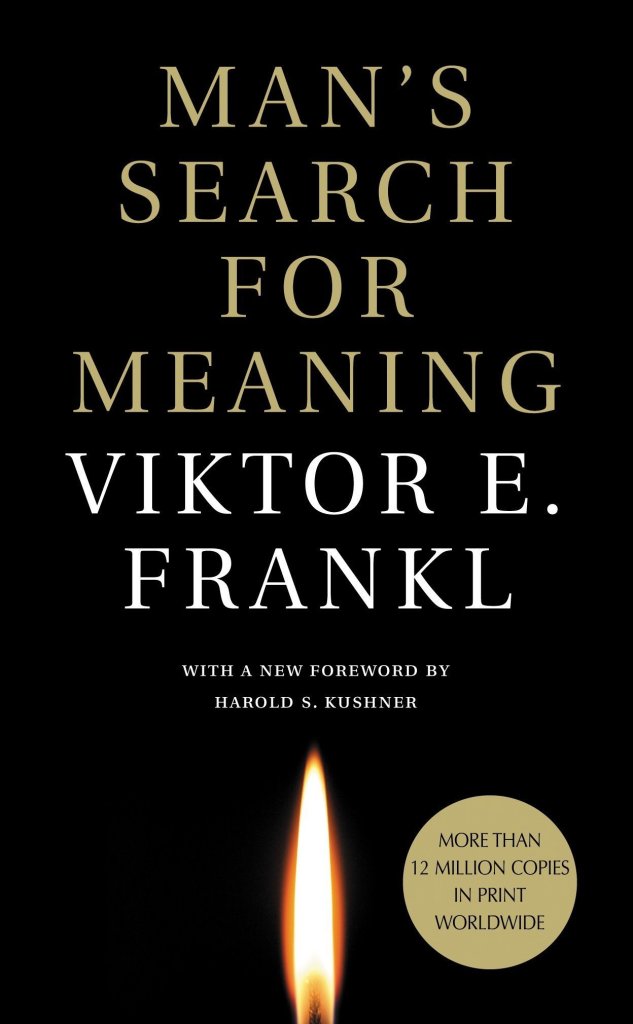
1) Man’s Search for Meaning by Viktor E. Frankl
“Everything can be taken from a man but one thing: the last of the human freedoms—to choose one’s attitude in any given set of circumstances, to choose one’s own way.”
Frankl’s memoir of his experience in Nazi death camps is at once brutal and hopeful. A psychiatrist by profession, he explores how he kept himself going in the most dire of circumstances. His central theory is called logotherapy, and it is a type of existential psychotherapy that emphasizes the importance of individual pursuit of meaning, and how meaning can look different for each person, but the drive itself is essential to live a life of happiness.
2) Notes from the Underground by Fyodor Dostoevsky
Notes from Underground Blog Review

“I tell you solemnly, that I have many times tried to become an insect. But I was not equal even to that. I swear, gentlemen, that to be too conscious is an illness- a real thorough-going illness.”
The protagonist of Dostoevsky’s Notes from Underground is an incorrigible, grumpy old man who is as misanthropic as he is melodramatic. Cutting himself off from society, he pens a diary about the reasons he hates society and the incredible confusion of being a human being with choices. (or, the illusion of choice, but we won’t go there today)
The book very much reminds me of Kierkegaard’s concept of the “dizziness of freedom”, and the character study of the Underground Man, as he is called, is a fascinating one. Once again, Dostoevsky’s brand of psychological exploration makes for a stunning level of narrative depth.
3) The Myth of Sisyphus by Albert Camus
The Myth of Sisyphus Blog Review

“It happens that the stage sets collapse. Rising, streetcar, four hours in the office or the factory, meal, streetcar, four hours of work, meal, sleep, and Monday Tuesday Wednesday Thursday Friday and Saturday according to the same rhythm – this path is easily followed most of the time. But one day the “why” arises and everything begins in that weariness tinged with amazement.”
This is one of my favorite books of all time, but I put it further down this list to give the rest of the list room to breathe! (And because, technically, Camus is not an existentialist, and I believe he did not consider himself one either. Nevertheless, Absurdism is a close relative, at least in my mind) The Myth of Sisyphus is a philosophical essay, a response to nihilism, and a counter-argument to suicidal despair. It explores how one can choose to live despite life’s lack of meaning. The difference between Camus and existentialists is mostly that Camus doesn’t think it is possible to truly create your own meaning, but he believes that to live without meaning at all is an act of rebellion that justifies itself.
4) The Death of Ivan Ilyich by Leo Tolstoy
The Death of Ivan Ilyich Blog Review

“It can’t be that life is so senseless and horrible. But if it really has been so horrible and senseless, why must I die and die in agony? There is something wrong!”
The Death of Ivan Ilyich wrestles with the classic existentialist question of how to live a fulfilling live underneath the spectre of death. It follows a man who is diagnosed with a terminal illness and must come to terms with his own mortality. It is a short read, but well worth it, and one of my favorites.
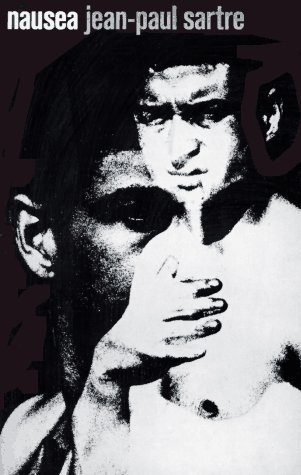
5) Nausea by Jean-Paul Sartre
“My thought is me: that’s why I can’t stop. I exist because I think… and I can’t stop myself from thinking. At this very moment – it’s frightful – if I exist, it is because I am horrified at existing. I am the one who pulls myself from the nothingness to which I aspire.”
Any list of Existentialist literature would be woefully incomplete without at least one mention of Sartre. Nausea is essentially a fictional exploration of Sartre’s existentialist philosophy, in the form of the meanderings of the main character Antoine Roquentin, who wanders around Paris and writes about… life.
Have you read any of these books? If so, leave a comment!
If you liked this post, consider subscribing to Frappes & Fiction. I post about the books I read (even if they’re not fiction), the books I think YOU should read, and anything else on my mind.
 Frappes and Fiction