
 By
By Play It As It Lays is one of those books I’ve always seen on recommendation lists with titles like “POV: you’re hot and sad.” So, of course, I decided to give it a read.
About the Book
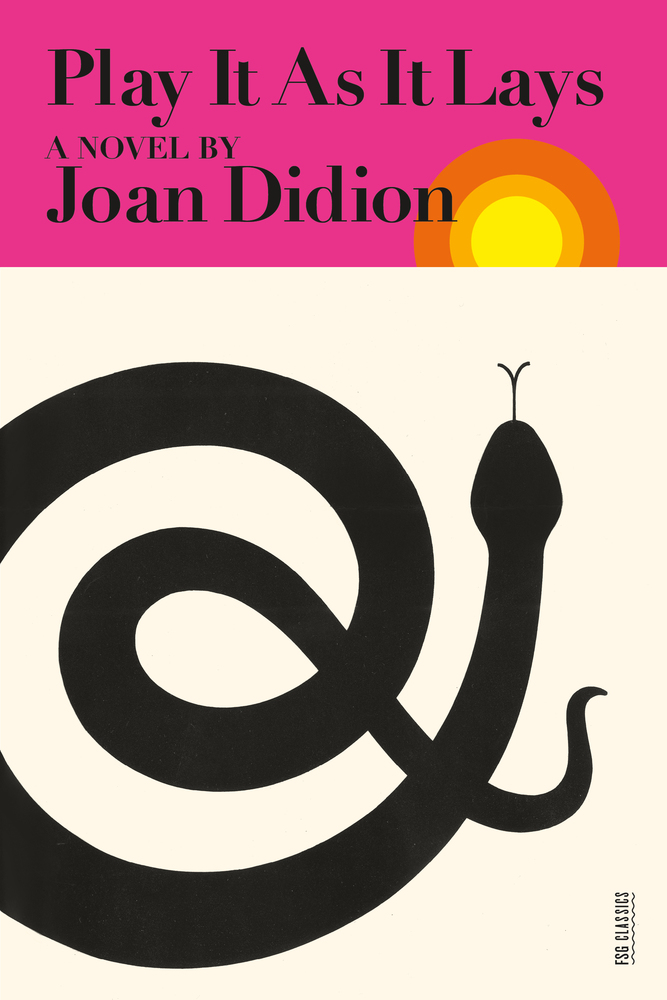
Title: Play It As It Lays
Author: Joan Didion
Published: 1970
Series: (standalone)
Genre: classics, fiction, literary fiction, feminism
My Rating: 4/5 stars
The Blurb
Synopsis (from Goodreads) (truncated):
A ruthless dissection of American life in the late 1960s, Play It as It Lays captures the mood of an entire generation, the ennui of contemporary society reflected in spare prose that blisters and haunts the reader. Set in a place beyond good and evil – literally in Hollywood, Las Vegas, and the barren wastes of the Mojave Desert, but figuratively in the landscape of an arid soul – it remains more than three decades after its original publication a profoundly disturbing novel, riveting in its exploration of a woman and a society in crisis and stunning in the still-startling intensity of its prose.
My Thoughts
I have been interested in Joan Didion’s writing for a while, because I’m kind of obsessed with the milieu of the late 60s, the beatniks and hippies and whatnot. I think it would’ve been so awesome to be in that generation (although, of course, it would only be good if you were white and privileged)
Anyway, I went into this novel with no real idea of what it was about. The summary on the back is not exactly a summary, so I had really not much idea of what I was getting into when I started it.
It’s a short book; Didion’s writing is sparse in a way that emphasizes the significance of each word and description.
The novel follows a woman named Maria, an actress who feels constricted by her own life. She is quite literally controlled by the patriarchy, as so few of her decisions in the book are made on her own terms. Her daughter is in a psychiatric facility, a decision her sh*tty husband made. She is forced to have an abortion that she doesn’t want, and is left to deal with the trauma.
The mood of the book is very much despairing and almost dissociative. The story follows Maria, but it’s written in third person, with short sentences and little emotional resonance. The emotional lives of the characters are left to be filled in by the reader, and the disconnect emphasizes Maria’s loss of investment in her own life and how she feels swept along with the whims and desires of the other people, mostly men, in her life.
“Everything goes. I am working very hard at not thinking about how everything goes.”
So what is this book really about? Is it about a woman’s lack of agency? Exploitation by the entertainment industry? Hedonism and “money can’t buy happiness”? Or just regular, run-of-the-mill nihilism?
“Tell me what matters,” BZ said. Nothing,” Maria said.”
I was left feeling something when I turned the last page of this book. But like Maria, when trying to describe the emotion I can’t find the words.
 Frappes and Fiction